
Advanced Research in Information Technology
Research & Learning Resources

St. Francis College Library was recently rechristened the Multimedia Learning Hub because the new name aligns it with 21st‑century, tech-forward pedagogy and campus branding, not just with book-based study.
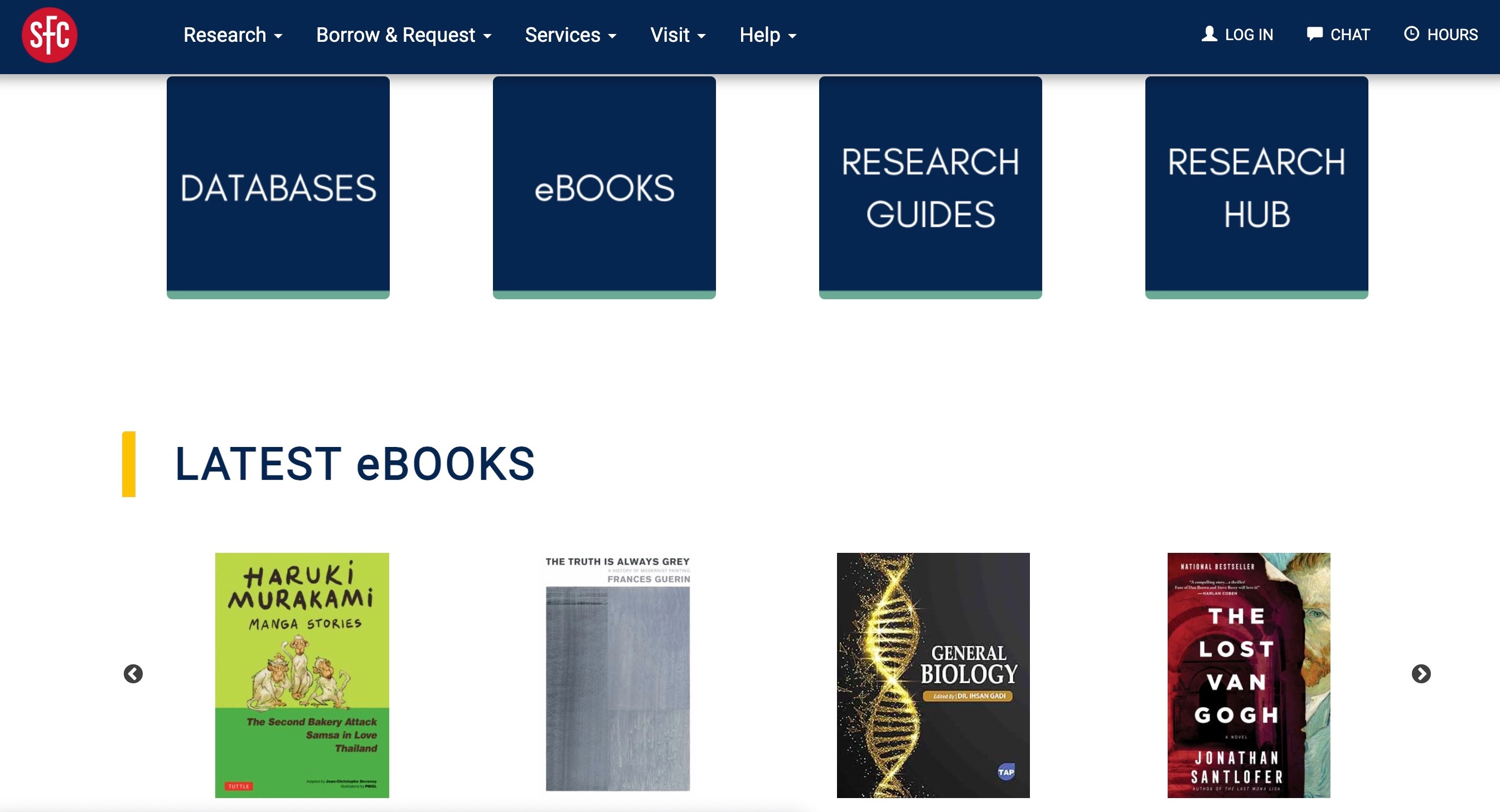
We maintain a mixed print and digital collection that supports every program across the College. Our physical space offers quiet study areas, group rooms, media collections, and course reserves. But the heart of our collection lives online.
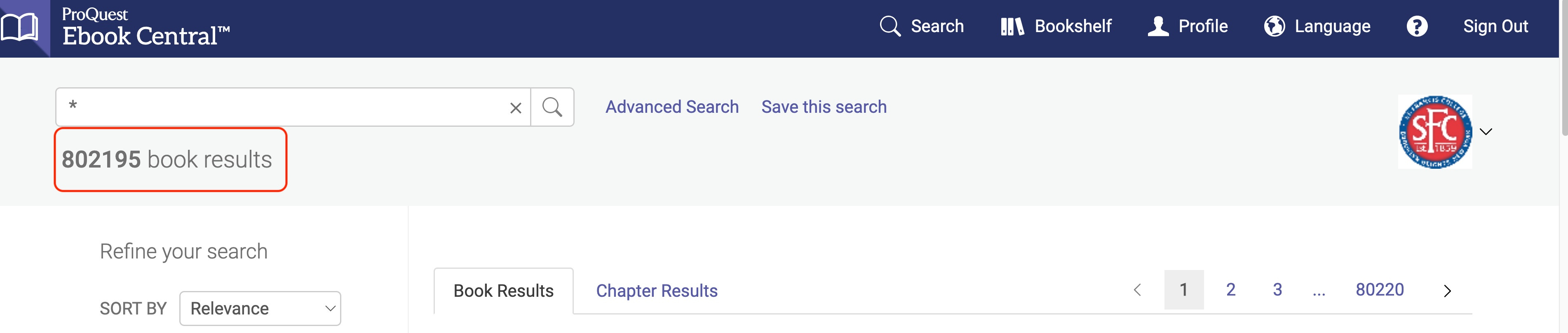
MLH provides remote, 24/7 access to more than 800,000 eBooks, a robust portfolio of scholarly journals, and discipline-specific databases. Students and faculty can search everything through our discovery platform or through subject-based research guides curated by liaison librarians.
For advanced research in information technology, we’ve expanded and prioritized the resources essential for advanced study. These include Advanced Technology and Computer Science Collection, ScienceDirect, ProQuest Dissertations and Theses, and planned additions that we’re getting next months are such as IEEE Xplore, the ACM Digital Library and core journals in information systems and cybersecurity. When something isn’t licensed, our interlibrary loan service delivers articles quickly and reliably.


Collection development is entirely evidence-based. We review syllabi, usage data, interlibrary loan patterns, and faculty requests to ensure that the collection stays current, relevant, and aligned with program outcomes.
Information literacy is woven into the curriculum from the first semester. Information Specialists provide course-embedded instruction, workshops on literature reviews and data management, and consultations tailored to master and doctoral-level research. Tutorials and research guides integrated into the Learning Management System support students asynchronously and ensure access to required readings on day one.
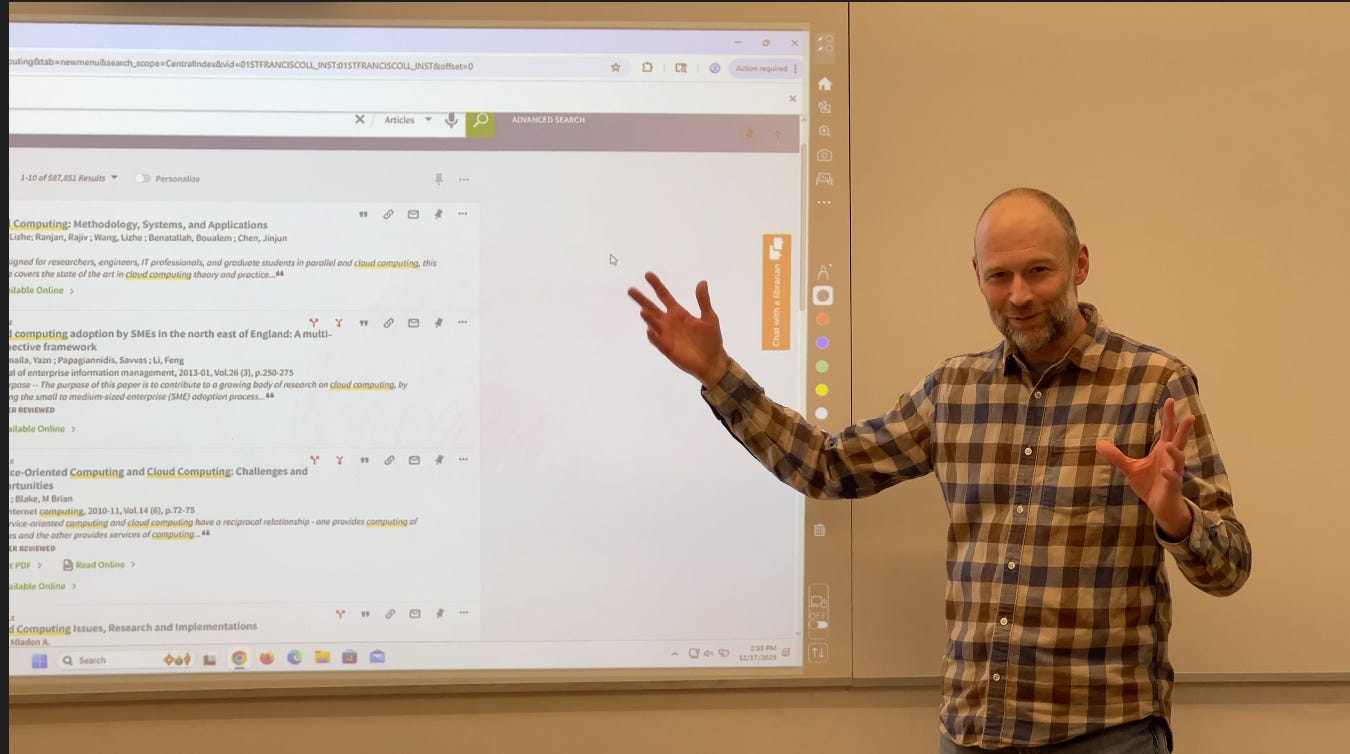
MLH is staffed by professional Information Specialists and trained support staff who manage research and instruction, access services, electronic resources, technical services, and the institutional repository. Our annual assessment cycle tracks instruction outcomes, resource usage, turnaround times, and user feedback—allowing us to refine services and strengthen support every year.
Together, our collections, services, staffing, and continuous assessment form a comprehensive, digital-first learning hub / library ecosystem—one fully prepared to support advanced scholarship and the research needs of the new doctoral program.
Thanks for reading and being a subscriber.
Until next time.
MLH@SFC